
Human-Centered AI - Part 1: The Negative Stigma Around AI, Why It’s Valid, and a Better Way Forward
Exploring concerns about creativity, authenticity, intellectual laziness, and human agency in the age of artificial intelligence and what makes the difference
AI Is Already Part of Daily Life
We don’t really need to debate whether AI is here to stay. It’s already woven into the tools we use every day. We write with it. We search with it. We edit with it. It runs quietly in the background of our routines.
And yet, even with how integrated it has become, many people still feel uneasy about it.
That unease is completely valid.
Why the Stigma Around AI Exists
AI often feels forced into every piece of technology, inserted everywhere regardless of whether it genuinely improves the experience or is even a good fit.
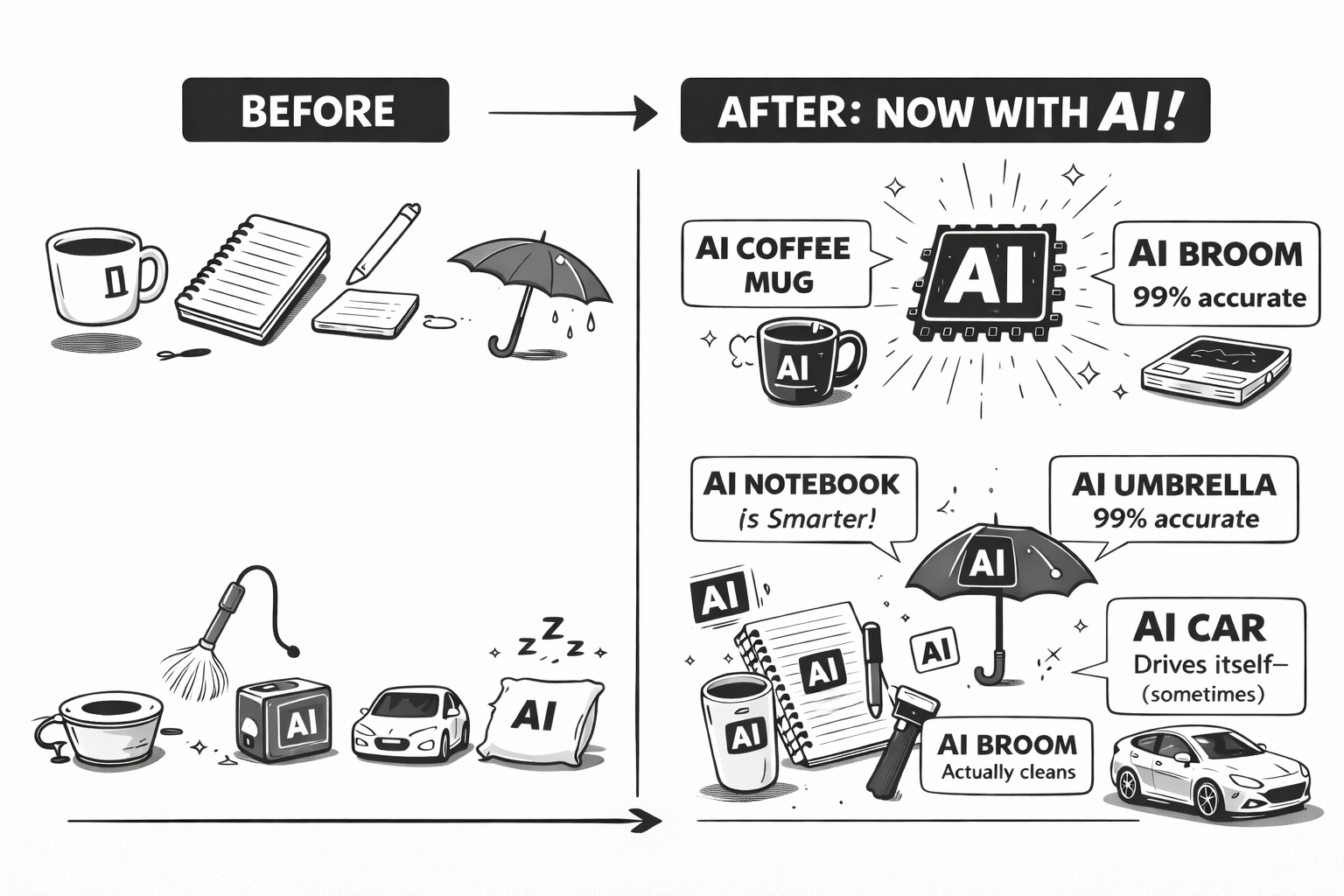
Anime illustration contrasting everyday products with and without artificial intelligence, reflecting concerns about AI being added to everything regardless of necessity.
There are deeper concerns too.
People worry that artificial intelligence could make human creativity feel replaceable. That a poem generated in seconds might look polished but lack lived experience. That essays written with a prompt might sound structured but feel hollow. That instant answers could slowly replace slow thinking and weaken critical thinking skills.
There is concern that convenience might turn into intellectual laziness. That the effort required to learn, draft, revise, struggle, and grow could be bypassed entirely. That human expression could become commodified, reduced to output instead of experience.
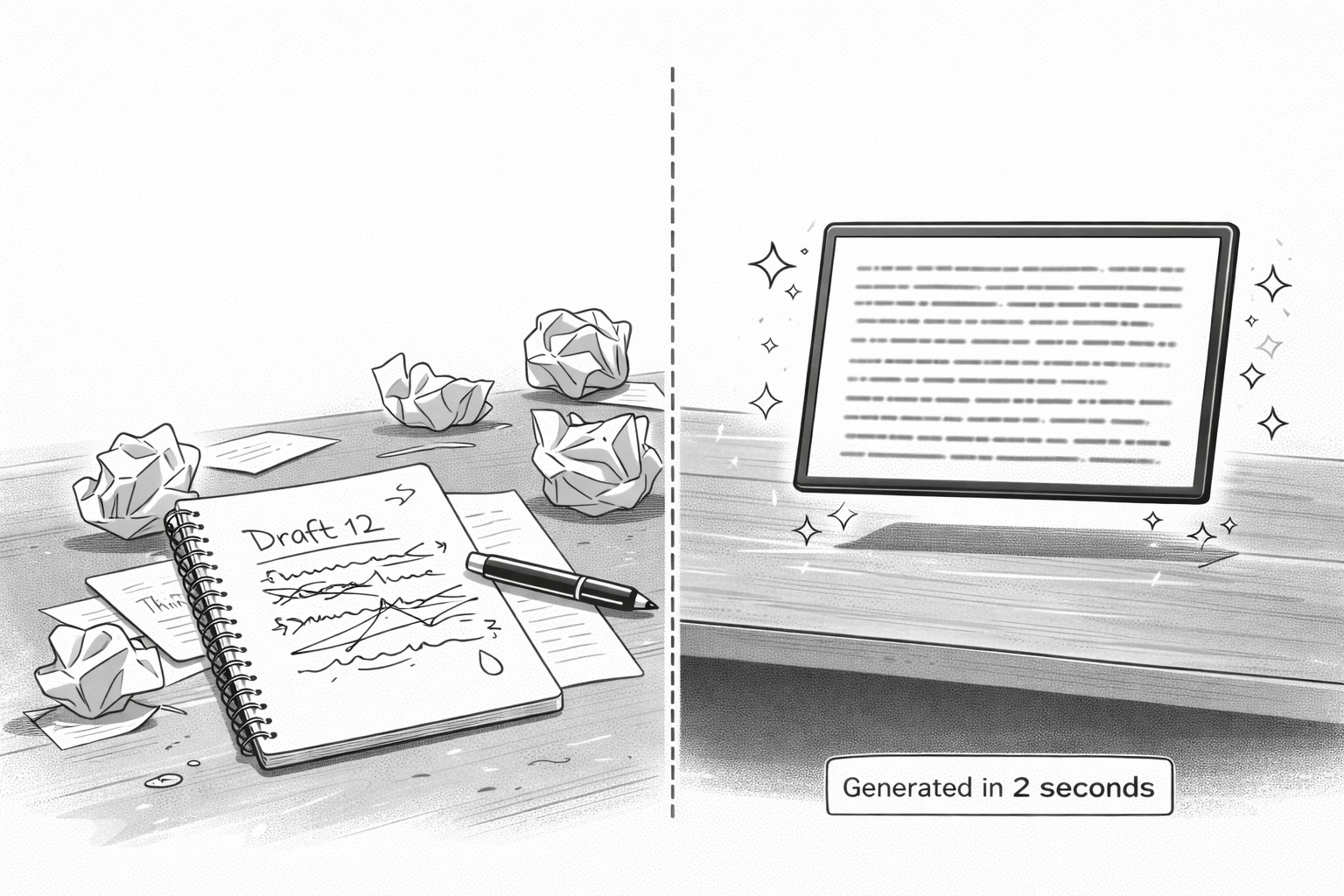
Anime illustration showing the contrast between human drafting and AI-generated writing, reflecting concerns about authenticity, effort, and creativity in the age of artificial intelligence.
At the heart of all of this is a fear about agency.
If AI writes, suggests, filters, predicts, and responds, where does authorship remain? If systems become increasingly capable, do we slowly give up the habit of thinking for ourselves?
These are not dramatic fears. They are grounded in something deeply human. People want to protect originality. They want to protect effort. They want to protect meaning. They want to remain in control of their own thinking and decisions.
AI Is Not One Thing
AI is not one fixed idea with one fixed purpose. How it behaves depends on how it is designed.
The same technology can either replace human effort or support it. It can make decisions for people, or it can provide better information so people can decide for themselves. It can take control, or it can strengthen awareness.
This is where the conversation shifts.
What Human-Centered AI Looks Like in Practice
Human-centered AI already exists, and its principle is simple: the person stays in control.
It does not decide for you. It does not take ownership of your choices. It does not replace your creativity. It helps you see more clearly, and then it steps back.
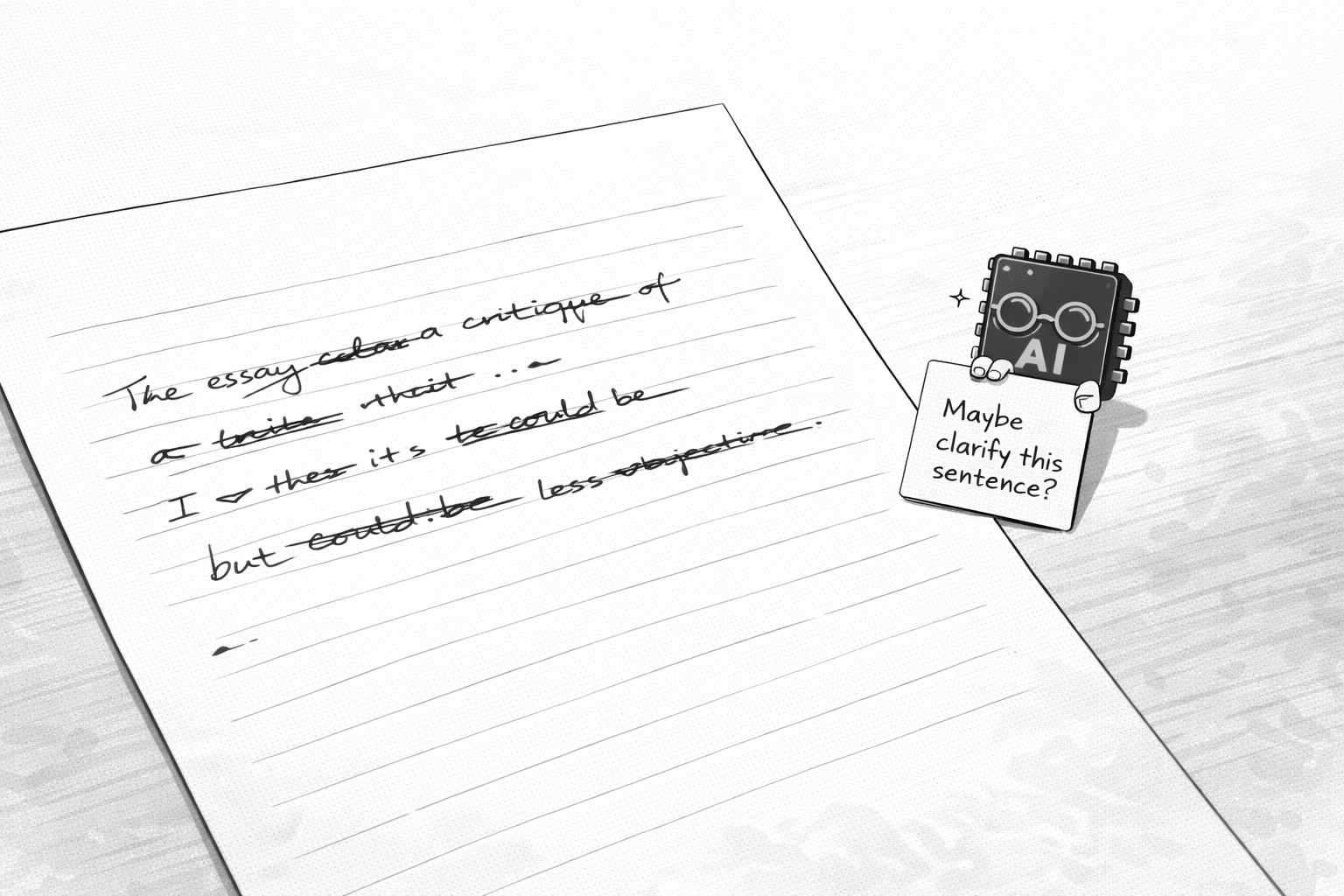
Anime illustration representing human-centered AI as an assistant that offers suggestions without replacing human authorship, highlighting a more balanced approach to artificial intelligence.
Take writing as an example.
One version of AI writes the entire article for you. You copy it. You post it. The output is fast. The effort is minimal. The growth is zero.
Another version reviews your draft. It points out where your argument is unclear. It highlights repetition. It suggests that your tone shifts halfway through. It leaves the rewriting to you.
Both use artificial intelligence. Only one replaces you.
Or consider decision making.
One AI system automatically filters options and predicts what you want, acting on your behalf without explanation.
Another AI system shows you patterns. It tells you that you tend to make certain decisions under stress. It provides context and insight, but the final choice remains yours.
The technology may look similar. The experience feels very different.
Protecting Creativity, Agency, and Critical Thinking
Where shallow automation removes effort, human-centered AI respects it.
It assumes your ideas matter.
It assumes your judgment matters.
It assumes your thinking should develop.
It does not erase struggle. It can help you move through it more consciously.
It does not commodify human expression. It can help refine and strengthen it.
It does not remove authorship. Ownership stays exactly where it belongs.
When artificial intelligence is built this way, it stops feeling like something acting on you and starts feeling like something working with you.
The Real Debate About the Future of AI
AI will continue to evolve. That is not the real debate.
The real debate is whether artificial intelligence is designed to replace human judgment or to strengthen it.
The future of AI does not have to mean less humanity. It can mean more awareness, more clarity, and more intentional decisions, if we insist on keeping the human at the center.
In the next part, we explore human-centered AI in practice, real products that embody it, and whether it truly belongs in daily communication.
