
Human-Centered AI - Part 2: What Responsible AI Actually Looks Like
Understanding how artificial intelligence can support human judgment, expand expertise, and strengthen decision making
Moving the Conversation Forward
In the previous article, we explored why the negative stigma around artificial intelligence exists and why many of those concerns are valid.
What people are reacting to is not the intelligence itself. It is how that intelligence is used.
Artificial intelligence can be built to replace human effort, automating decisions and gradually removing people from the process.
It can also be built in a very different way.
In a human-centered approach, AI does not take over the task. It helps people notice patterns, signals, and information that would otherwise be difficult to see.
Responsibility, judgment, and final decisions remain with the human.
In practice, that difference changes the entire experience.
What Responsible AI Looks Like in Practice
You can already see this approach working in fields like medicine and scientific research.
Radiologists now use AI systems that highlight unusual patterns in medical scans such as CT scans and mammograms. The AI does not diagnose the patient. It simply points doctors toward areas that deserve a closer look.
Artificial intelligence is also helping researchers solve problems that once required years of analysis. Systems like AlphaFold can predict protein structures from biological data, allowing scientists to focus on understanding and applying those discoveries.
Looking at these examples, a pattern starts to appear.
The expert remains responsible. The AI helps them see more.
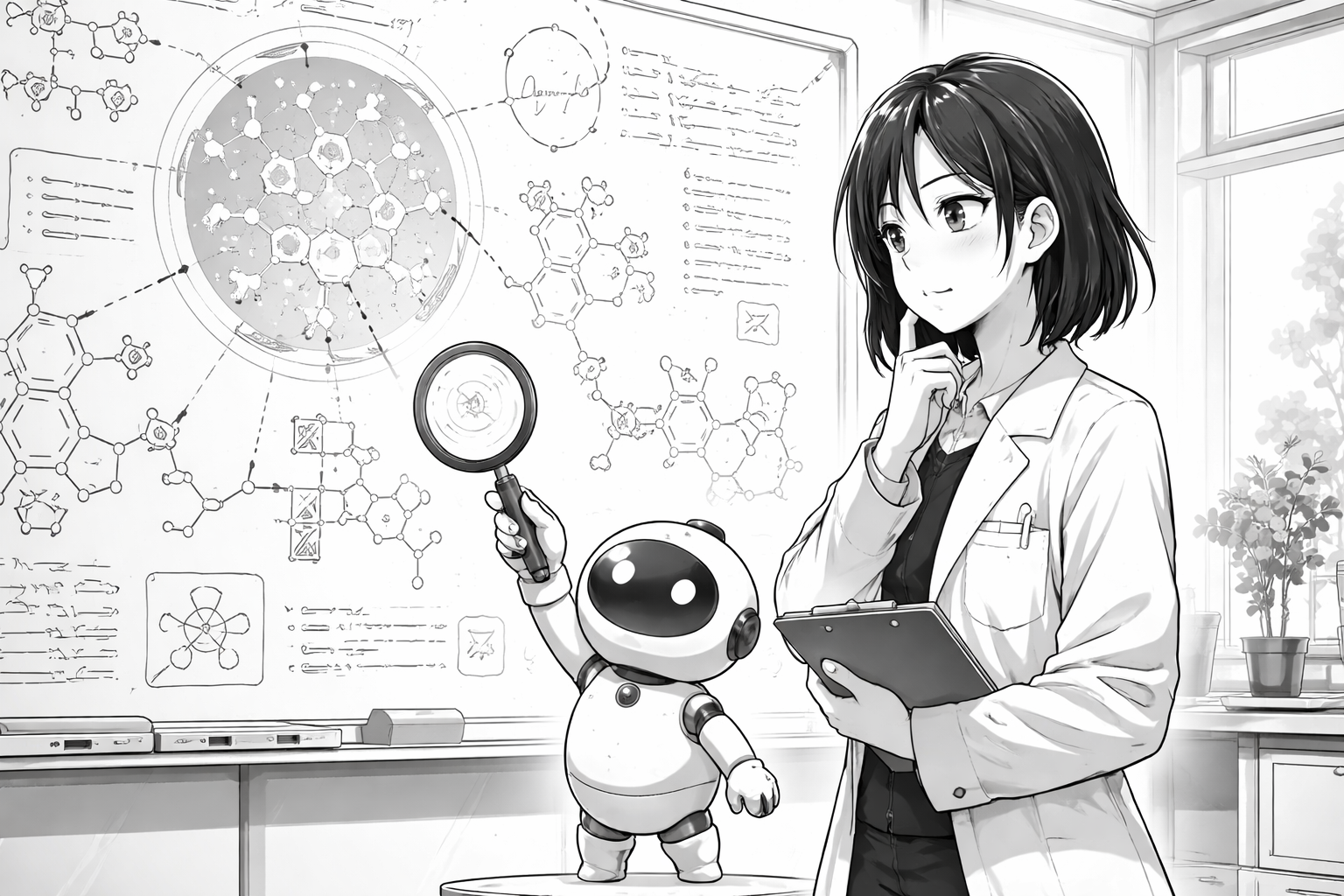
Human-centered AI works best when it helps experts notice patterns they might otherwise miss, while the human remains responsible for the final decision.
When AI Strengthens Human Judgment
Artificial intelligence works best when it extends human expertise rather than replacing it.
The doctor still interprets the scan. The scientist still leads the discovery.
The AI provides clarity.
When technology is designed this way, it stops feeling like something acting on humans and starts feeling like something working alongside them.
Human Blind Spots
One of the hardest things for any of us is seeing our own patterns while we are in the middle of them.
We notice patterns in others easily. Seeing them in ourselves is much harder.
People repeat the same communication habits without realizing it. Messages come across harsher than intended. Emotional reactions appear in moments where we believe we are being rational.
These blind spots are not a failure of intelligence. They are part of being human.
Sometimes it simply takes an outside perspective to make those patterns visible.
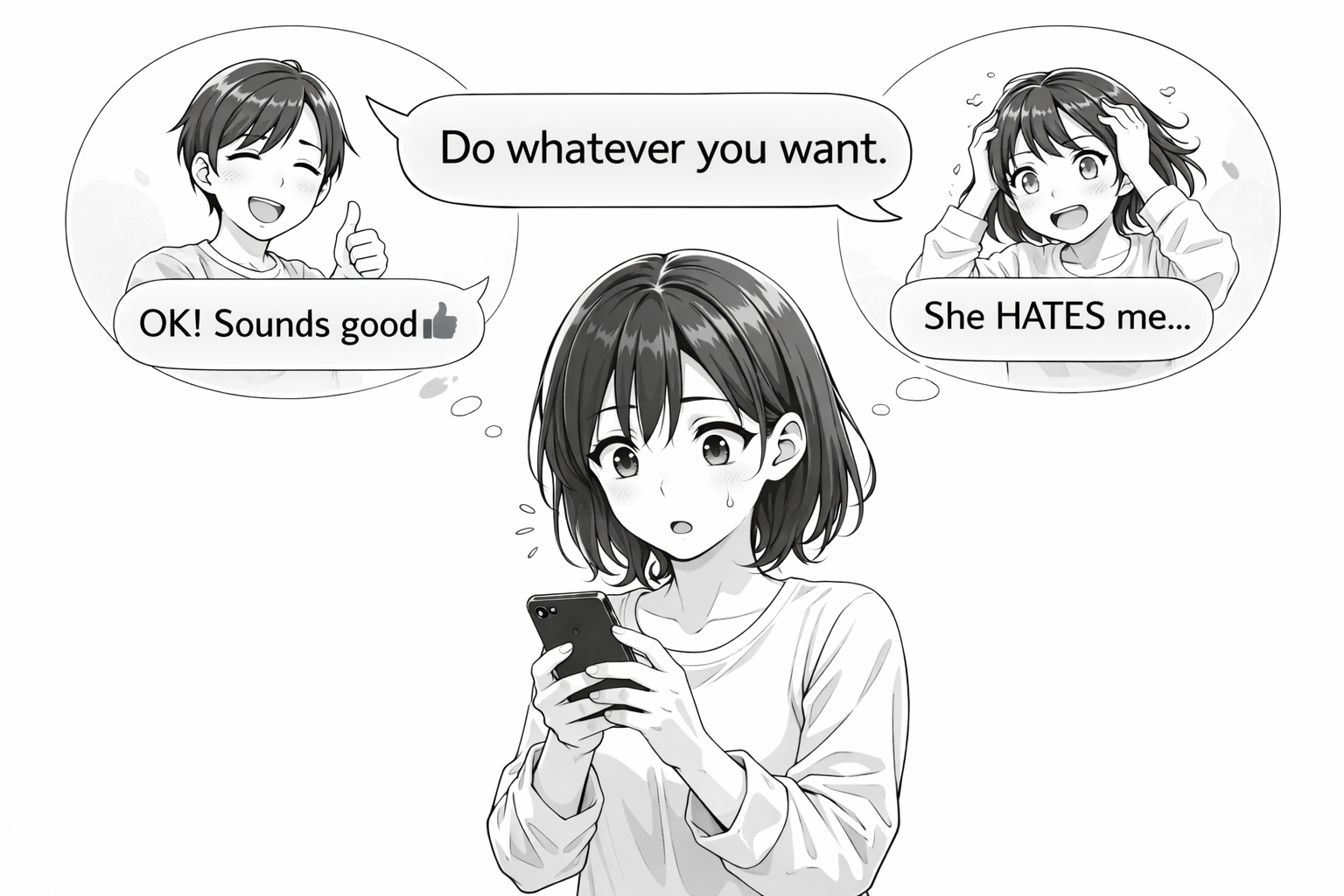
Human communication often contains hidden ambiguity. A simple message like “Do whatever you want” can be interpreted in completely different ways, revealing the blind spots we all have when expressing ourselves.
Where Human Awareness Breaks Down
There is one area where this becomes especially obvious.
Communication.
People often believe they are expressing themselves clearly while the other person hears something completely different. Tone is misread. Intent becomes distorted. Small misunderstandings escalate into larger conflicts.
Unlike medicine or research, communication happens in real time, often under stress and emotion.
That makes it one of the hardest areas for people to observe their own behavior objectively.
A Question Worth Asking
If artificial intelligence can help doctors detect patterns in medical scans and help scientists understand complex biological systems, an interesting question appears.
Why is communication, something every human does every day, still one of the hardest areas for people to understand themselves?
And if AI can help experts see patterns in medicine and science, what would it look like if it helped people see patterns in their own conversations?
